OPORTUNIDADES DE NEGÓCIOS
 |
 |
 |
 |
 |
Histórico de Nosso projeto Biodiesel
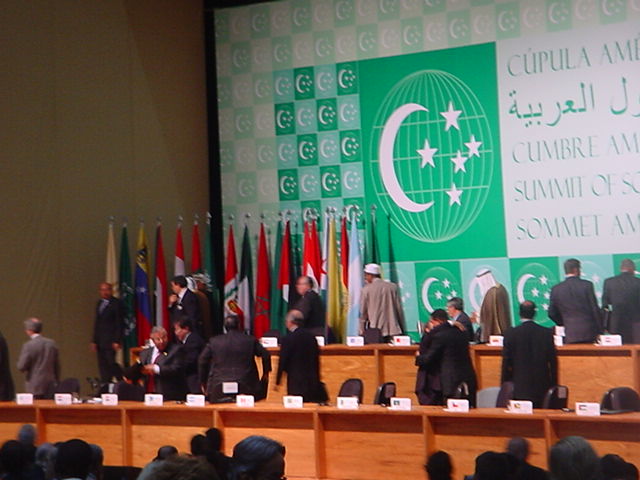
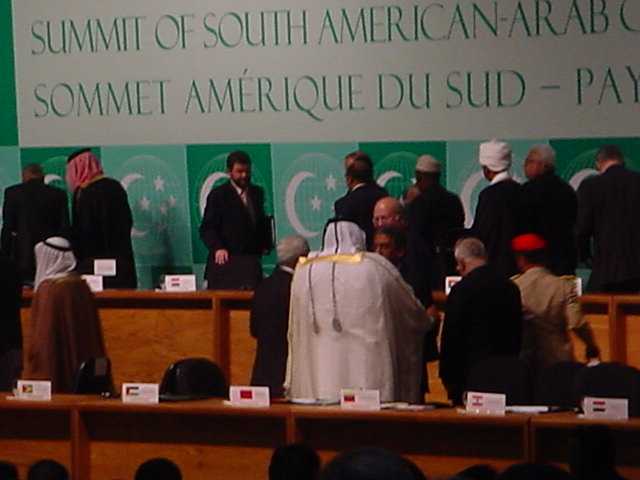
Tudo começou em maio de 2005 quando eu ouvi falar pela primeira vez na planta chamada Jatropha Culca L. pinhão manso na Cúpula Árabe em Brasília veja o Link do Plantio Entre
|
OPORTUNIDADES DE NEGÓCIOS
|
Isaura Daniel, enviada especial
Brasília – Não são apenas nas grandes capitais do Brasil que chegaram as notícias sobre a potencialidade do mercado árabe. Em cidades desconhecidas, até pela maioria da população brasileira, há industriais e agropecuaristas interessados em aliar-se aos homens de negócios do mundo árabe.
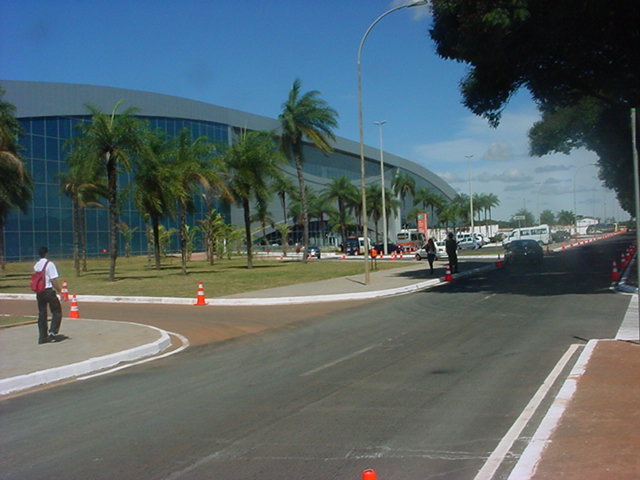
No encontro empresarial que terminou ontem (11), em Brasília, havia uma série deles. O prefeito de Quixadá, município com 75 mil habitantes do estado do Ceará, veio até a capital federal com um projeto de investimento traduzido para o árabe embaixo do braço. A intenção é convencer os empresários do Oriente Médio e Norte da África a investirem nele.
Ilário Marques pretende transformar o município que administra e seus arredores em um pólo de produção de ovinos e caprinos. O prefeito não pede muito. Com R$ 7 milhões ele acredita que é possível começar um projeto piloto e colocar em pé um frigorífico, um centro de treinamento de mão-de-obra, um banco genético e um programa de assistência técnica aos pecuaristas.
Hoje, a criação de caprinos e ovinos no município é feita apenas de forma doméstica e isolada pelos produtores. "Queremos organizar a cadeia produtiva pensando nos árabes, de acordo com as condições que eles exigem. Eles investiriam na produção e depois a carne seria exportada para os países árabes", afirma Marques.
De Rondônia
Assim como Marques, mas com menos assistência, o empresário Waldecy de Oliveira também circulava pelo Centro de Convenções Ulysses Guimarães em busca de quem acreditasse no potencial do seu negócio.
Oliveira tem uma empresa agropecuária, a Agro-Bioflorestal, e produz guaraná, urucum e Nim Indiano, uma árvore cujas folhas são usadas para fabricação de fungicidas naturais, em Rondônia. O urucum serve para a fabricação de corantes. O pequeno agroindustrial quer exportar para os árabes.
A participação na cúpula veio após um convite do Itamaraty. Oliveira, na verdade, integra um grupo de 230 famílias que produzem 600 toneladas de urucum por ano e 100 toneladas de guaraná. Cada um, assim como o Oliveira, cultiva entre 50 e 100 hectares.
Os produtores também fazem parte de uma Organização Não-Governamental (ONG), a Fundação Floresta em Perigo, que busca alternativas de renda, que levem em conta a preservação da biodiversidade, para os moradores da região.
Oliveira ainda não exporta diretamente, mas os seus produtos chegam ao exterior por meio de uma multinacional da área de corantes, a Chr Hansen, que é dinamarquesa e tem sede no Brasil. Outras cinco pequenas e médias empresas do mercado interno compram os produtos do empresário.
Corajoso, Oliveira resolveu viajar a Brasília atrás dos árabes mesmo sem falar inglês. Deixou cartões com a Câmara de Comércio Árabe Brasileira (CCAB) e está confiante que mesmo que não ocorram negócios agora, terá atingido um dos seus objetivos que era divulgar o seu projeto. "Mas poderão sair negócios com os brasileiros que encontrei", afirma.
Por integrar a ONG, Oliveira também tratou, em suas conversas no centro de convenções, de falar sobre o potencial da região onde mora, com o objetivo de atrair possíveis investidores. De acordo com o empresário, há produção de arroz e gado na região, mas faltam empresas interessadas em beneficiar e comercializar os produtos.
|
BUSINESS
OPPORTUNITIES |
From east to west: Brazilian states
of Ceará and Rondônia offer business to the Arabs
Even in small cities in Brazil, there are businessmen
eying the business potential in the Arab market. The mayor of the city of Quixadá,
in the northeastern state of Ceará, wants to attract Arab investments for a
pilot project of a slaughterhouse, a workforce training centre, a genetic bank
and a technical assistance programme for the local cattle breeders. The
businessman Waldecy de Oliveira, from the state of Rondônia, wishes to export
guaraná, urucum and Nim Indiano, a tree whose leaves are used to produce
natural fungicides.
Isaura Daniel, special envoy*
Brasilia - It is not only in the big capital cities of Brazil that news about the Arab market potential has arrived. In unknown cities, even by the majority of Brazilian population, there are industrialists, farmers and cattle breeders interested in forming partnerships with the businessmen of the Arab world.
In the business meeting that started on Monday (09), in Brasilia, capital city of Brazil, there are a series of them. The mayor of the city of Quixadá, city with 75,000 inhabitants in the northeastern state of Ceará, came to the federal capital with an investment project translated to Arabic with him. The aim is to convince businessmen in the Middle East and North Africa to invest in it.
Ilário Marques plans on transforming the city he manages and the surrounding areas in a sheep and goat breeding hub. The mayor isn't asking for much. With US$ 2.8 million he believes it is possible to start a pilot project and set up a slaughterhouse, a workforce training centre, a genetic bank and a technical assistance programme for the breeders.
Currently, breeding sheep and goats in the city is done only in a domestic and isolated manner. "We want to organise the productive chain thinking of the Arabs, according to the conditions they demand. They would invest in the production and then the meat would be exported to the Arab countries," states Marques.
From Rondônia
As Marques, but with less advisory, the businessman Waldecy de Oliveira was also circulating at the Ulysses Guimarães Conventions Centre searching for someone who would believe in his business' potential.
Oliveira has a farming and breeding company, Agro-Bioflorestal, and produces guarana, urucum and Nim Indiano, a tree whose leaves are used to produce natural fungicides, in the state of Rondônia, in the Northern region of Brazil. Urucum is used to produce dyes. The small agro-industrialist wants to export to the Arabs.
The participation in the summit came after an invitation by the Itamaraty, the Brazilian foreign office. Oliveira, in fact, is part of a group of 230 families who produce 600 tonnes of urucum per year and 100 tonnes of guarana. Each one, like Oliveira, harvest between 50 and 100 hectares. The producers are also part of a Non Governmental Organisation (NGO), Fundação Floresta em Perigo (meaning endangered forest foundation, in a free translation), which looks for alternative sources of income, considering preservation of biodiversity, for the local inhabitants.
Oliveira still doesn't export directly, but his product arrive in international markets through a multination in the dyes area, Chr Hansen, which is Danish and with an office in Brazil. Other five small and medium sized companies in the internal market buy products from him.
Brave, Oliveira decided to travel to Brasilia after the Arabs even without speaking English. He left cards with the Arab Brazilian Chamber of Commerce (CCAB) and is confident that even if deals aren't settled now, he will have reached one of his objectives of promoting the project. "But I can make business with the Brazilians I met," he states.
For being part of the NGO, Oliveira also spoke, in his conversations at the conventions centre, of the potential of the region where he lives, with the objective of attracting possible investors. According to the businessman, there is rice production and cattle breeding in the region, but are missing companies interested in processing and trading the products.
*Translated by Silvia Lindsey